
Fence Installation in Mission Valley, CA
Reliable Fence Installation in Mission Valley for Homes, Townhomes & HOA Communities
About Mission Valley
Mission Valley is a centrally located San Diego neighborhood that follows the San Diego River corridor, bordered by hillside communities on both sides and connected to the rest of the city by several major freeways, including I-8, I-5, and I-15. The area has grown substantially over recent decades, developing from a primarily commercial and shopping district into a mix of high-density condo and townhome communities alongside more established single-family neighborhoods on the surrounding slopes.
The climate here runs warmer and drier than San Diego’s coastal neighborhoods, particularly in the summer months, since the valley sits further from the ocean’s moderating breeze. Outdoor living remains important to residents despite the heat, with many homeowners investing in shaded patios, pool areas, and privacy fencing to make backyard spaces more comfortable and usable.
- Population: Tens of thousands of residents across the valley and surrounding hillside neighborhoods
- Location: A central San Diego valley along the San Diego River, connected by I-8, I-5, and I-15
- Climate: Warmer, drier inland climate with more temperature variation than coastal San Diego
- Housing: A mix of condos, townhomes, and single-family homes, including many newer HOA-governed developments
- Community Characteristics: Higher-density living near the valley floor, quieter established neighborhoods on the surrounding hillsides
Areas We Serve Near Mission Valley
In addition to Mission Valley, we regularly serve homeowners throughout the surrounding areas, including Mission Hills, Linda Vista, Serra Mesa, Grantville, Kearny Mesa, Hillcrest, Normal Heights, and Allied Gardens. If you’re located in one of these communities, we’re familiar with the property types and terrain common to your area.
Fence Installation Services in Mission Valley
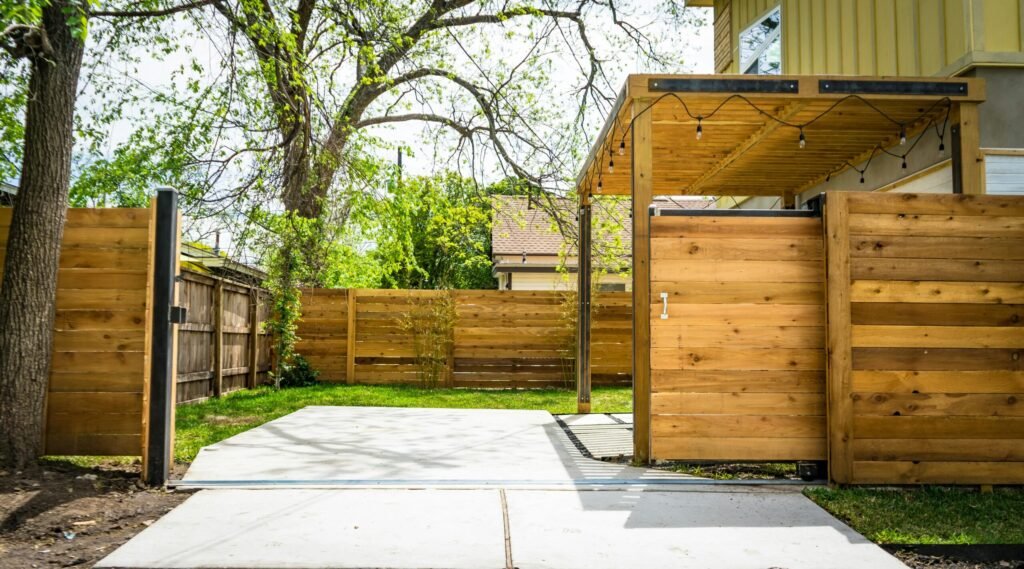
Wood Fence Installation
Wood fencing gives Mission Valley homeowners a warm, natural look that works well for backyard privacy and side-yard screening alike. Cedar and redwood are common choices because of their natural resistance to warping and insects, which matters given the valley’s hot, dry summer stretches. Because inland heat can dry out wood faster than in coastal areas, regular staining or sealing is important to prevent cracking and splitting. With consistent maintenance, a well-built wood fence typically performs well for over a decade in this climate.
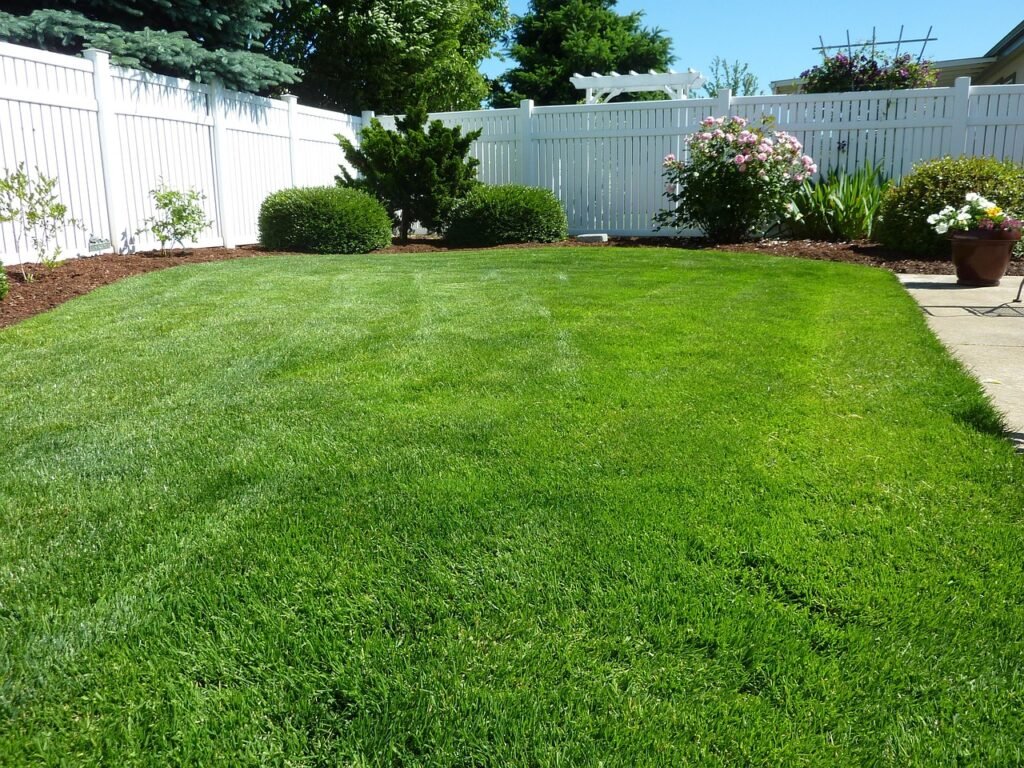
Vinyl Fence Installation
Vinyl is a popular low-maintenance option for Mission Valley properties, especially in newer developments where a clean, uniform look is often required by HOA guidelines. It won’t rot or need repainting, and quality vinyl with UV-resistant additives holds up well against the valley’s strong summer sun, which can otherwise cause cheaper products to fade or become brittle over time. It’s a strong choice for privacy fencing around patios, pools, and backyard spaces.
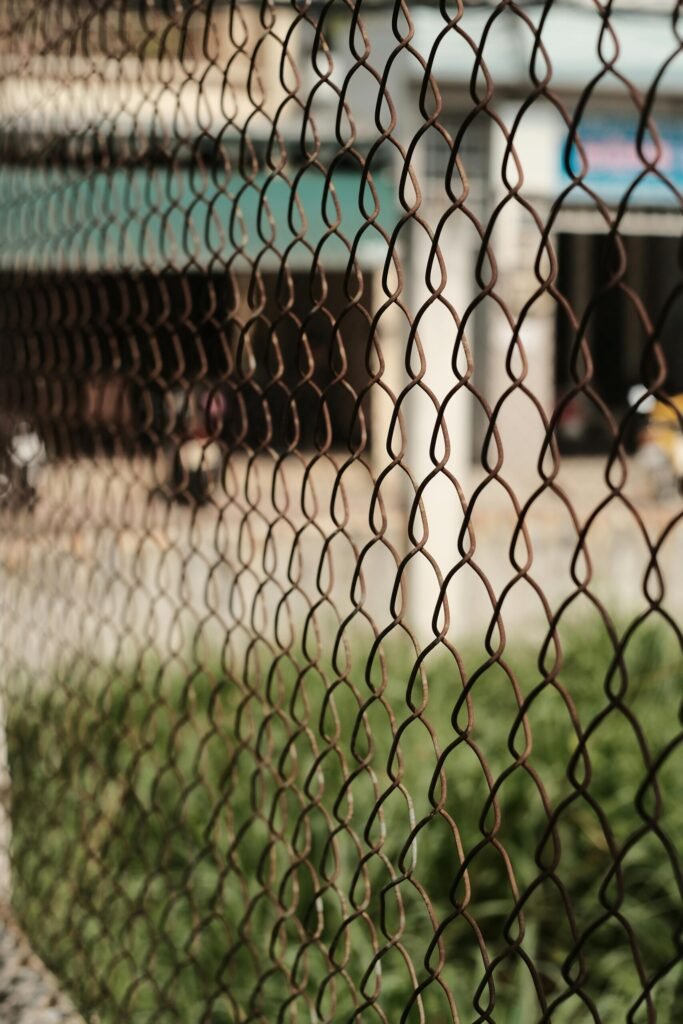
Chain Link Fence Installation
Chain link remains a practical, budget-friendly option for side yards, dog runs, and properties where full privacy isn’t the goal. It’s especially useful on sloped or hillside lots where a solid privacy fence would be more expensive to engineer. Galvanized or vinyl-coated chain link resists rust and requires very little upkeep, making it a good fit for rental properties or utility areas of the yard.
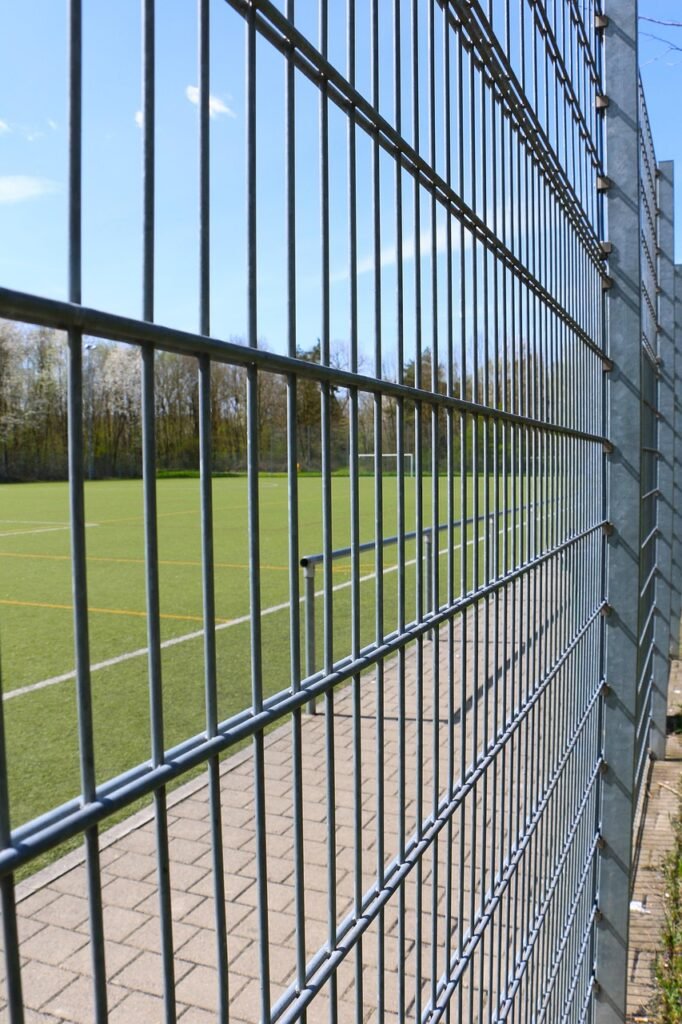
Aluminum Fence Installation
Aluminum fencing offers the decorative look of wrought iron with less maintenance and a lighter overall weight, which makes it easier to install on the sloped and terraced lots common throughout Mission Valley’s hillside neighborhoods. It’s a frequent choice for pool enclosures and front-yard fencing, and it holds its finish well through repeated exposure to intense summer sun.
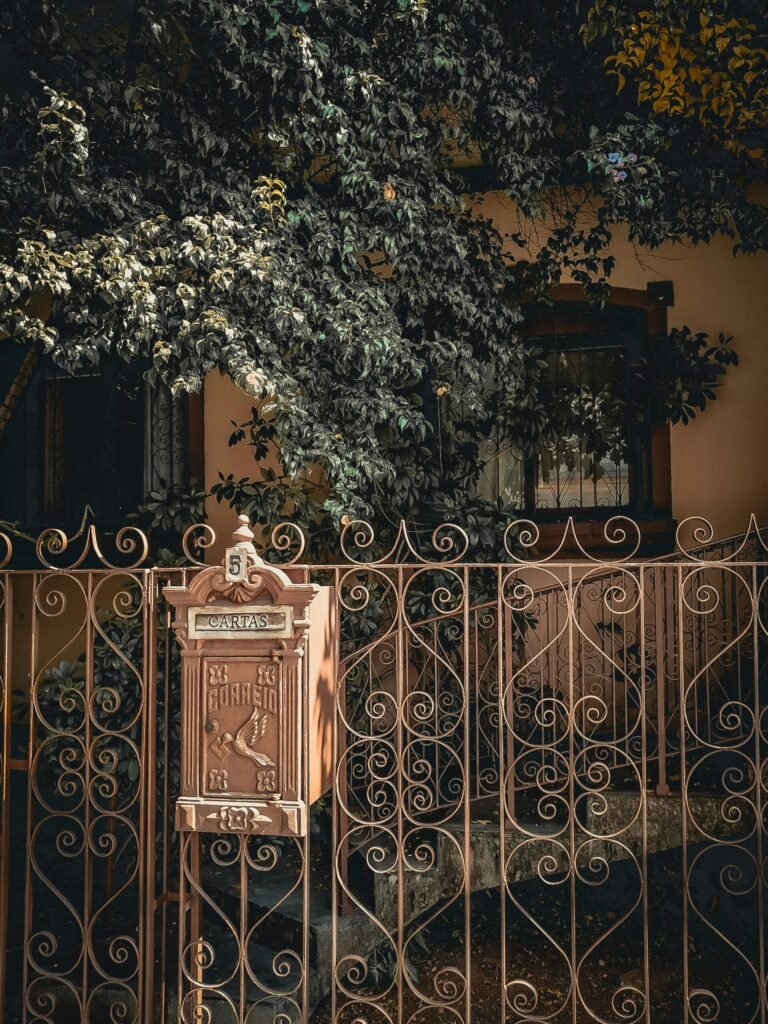
Wrought Iron Fence Installation
Wrought iron adds a classic, upscale appearance that suits many of the larger single-family homes on Mission Valley’s surrounding hillsides. It’s durable and long-lasting, though it requires periodic inspection and touch-up coating to prevent rust from developing at chipped or scratched areas, particularly after exposure to irrigation or sprinkler overspray.
Fence Repair
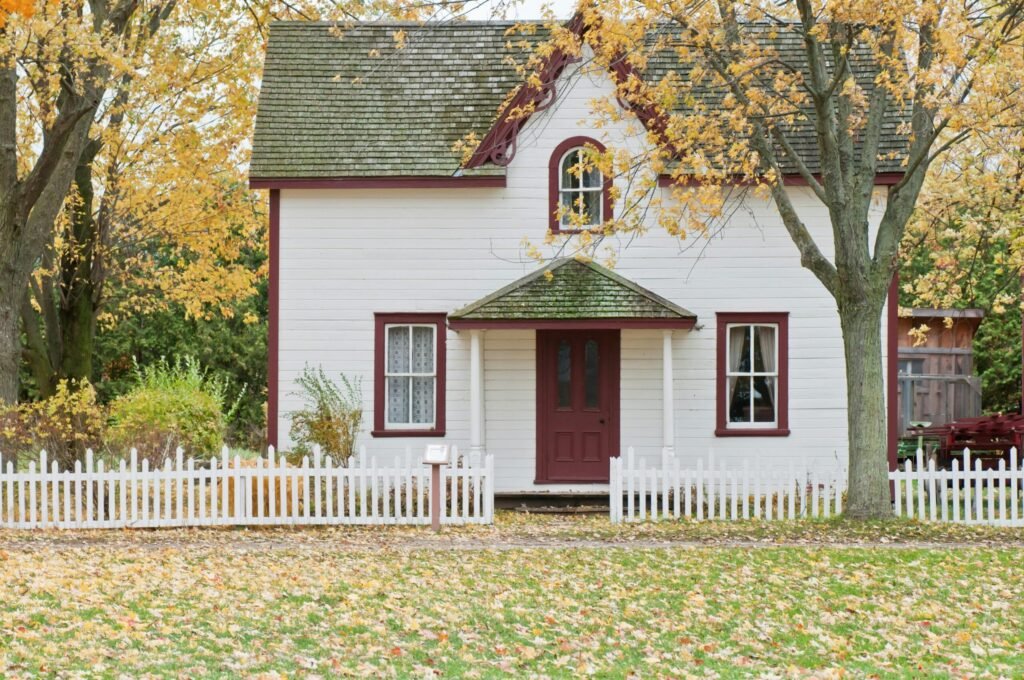
Heat cycling, ground movement on sloped lots, and general wear all contribute to fence damage over time in Mission Valley. Common repair needs include warped or cracked wood panels, leaning posts on hillside properties, and gate hardware that’s shifted out of alignment due to grade changes. Addressing these issues early, rather than waiting for a full section to fail, is usually the more cost-effective path.
Fence Installation in Mission Valley — What Homeowners Should Know
Choosing the right fence material starts with understanding the property’s specific conditions — flat lot versus hillside, HOA guidelines versus none, and whether privacy or security is the higher priority. Mission Valley’s mix of housing types means there’s rarely a single default answer that fits every home.
Property boundaries and easements deserve attention before installation begins, especially in newer planned developments where shared walls, common areas, and HOA-maintained sections can complicate where a private fence is allowed to start and end.
Slope and grade are a bigger factor here than in many flatter San Diego neighborhoods. Fences on hillside lots often need stepped or racked panel designs to follow the terrain properly, along with deeper or reinforced footings on steeper sections to keep posts stable over time.
Heat resistance matters for material selection given Mission Valley’s inland summer temperatures. Materials and finishes rated for UV and heat exposure hold their color and structural integrity longer than budget-grade alternatives that weren’t built with an inland climate in mind.
Fence lifespan varies by material and maintenance, and homeowners should factor upkeep requirements into their decision from the start rather than choosing based on upfront cost alone. Vinyl and aluminum generally require the least ongoing attention, while wood and wrought iron need more regular care to reach their full potential lifespan.
Gate options should be planned early, particularly for pool-adjacent properties, where California code requires self-closing, self-latching hardware. Homeowners in HOA communities should also confirm gate style and placement meet community standards before installation begins.
How Much Does Fence Installation Cost in Mission Valley?
Typical Fence Installation Costs
| Fence Type | Typical Cost Range | Factors Affecting Price |
|---|---|---|
| Wood Fence | $28 – $55 per linear foot | Wood species, height, staining, gate count |
| Vinyl Fence | $32 – $65 per linear foot | Panel style, height, privacy vs. picket design |
| Chain Link Fence | $14 – $32 per linear foot | Gauge, coating type, height, gate hardware |
| Aluminum Fence | $38 – $75 per linear foot | Style, height, pool-code compliance, gates |
| Wrought Iron Fence | $48 – $95 per linear foot | Custom design, ornamentation, coating quality |
These ranges are general estimates and can vary based on site conditions, material grade, and project scope. An in-person or detailed estimate is the most reliable way to get an accurate number for a specific property.
Factors That Affect Fence Pricing
Fence length and height are the two biggest drivers of overall cost, since both directly affect material quantity and labor time. Material choice plays a major role as well — premium wood species, thicker vinyl, and ornamental metal all cost more than basic options. Gates add cost depending on size and hardware, especially wider drive gates or automated openers. Removing an existing fence before installing a new one adds labor and disposal costs. Terrain has an outsized impact in Mission Valley specifically, since sloped or terraced lots require more time, deeper footings, and sometimes stepped panel construction. Custom designs and properties with limited equipment access can also add to labor complexity.
Local Factors That Influence Pricing in Mission Valley
Lot size and layout vary significantly between Mission Valley’s flat valley-floor developments and its surrounding hillside neighborhoods, which directly affects material needs and labor time. Terrain is one of the more significant local cost factors, since sloped lots often require stepped fencing, retaining considerations, or reinforced posts that flatter properties don’t need. HOA requirements in many of the valley’s newer communities can also influence material and style choices, which in turn affects pricing. Heat exposure during the region’s hot summer months is a consideration for scheduling certain installation steps, like concrete curing, which can affect project timing more than pricing directly.
Why a Detailed Estimate Matters
General price ranges are a useful starting point, but they can’t account for a specific property’s terrain, HOA requirements, or existing fence condition. A detailed, in-person estimate accounts for actual linear footage, slope, and material choice, which leads to far more accurate pricing than an online range alone. It also gives homeowners a clear side-by-side comparison of material options and helps avoid unexpected costs that can come up once a project is underway — particularly on sloped lots where footing depth requirements aren’t always obvious from the surface.
Why Choose Fence Installation Coronado?
Knowledge of Mission Valley Properties
From flat valley-floor lots to sloped hillside properties and HOA-governed communities, Mission Valley’s housing mix calls for a contractor who adjusts the approach to fit each property rather than applying one standard method everywhere.
Quality Fence Materials
Material selection matters in an inland climate with strong summer heat. We work with wood, vinyl, chain link, aluminum, and wrought iron options chosen to hold up to Mission Valley’s specific conditions.
Professional Installation
Correct post depth, secure footings — including on sloped terrain — and properly installed hardware are what separate a fence that lasts from one that needs early repairs.
Clear Communication
Homeowners get straightforward information about material options, HOA considerations, project timelines, and pricing, so there are no surprises once work begins.
Customer-Focused Service
Every property is different, and the goal is to recommend the fencing solution that actually fits a homeowner’s terrain, budget, and community guidelines rather than pushing a single standard option.
Let's Start Your Fencing Installation in Mission Valley!
Ready to Install a New Fence in Mission Valley?
We offer free estimates and no-pressure consultations, so you can get clear, straightforward information before deciding how to move forward. We proudly serve Point Loma and the surrounding communities throughout the peninsula.
Need Help?
Common Questions About Fence Installation in Mission Valley
Below are some of the most common questions Our Network get from families about Fencing installation. If you have any other questions contact us!
How much does a new fence cost in Mission Valley?
Most residential fence installations run between $14 and $95 per linear foot installed, depending on material. For a typical 150-foot backyard perimeter, that works out to roughly $4,200–$8,250 for wood, $4,800–$9,750 for vinyl, and $2,100–$4,800 for chain link. Wrought iron and custom aluminum designs run highest, often $7,200–$14,250 for the same length. A detailed on-site estimate is the only way to get an exact number for your property.
How long does fence installation typically take?
A standard residential project of 100–200 linear feet usually takes 1–3 days once materials are on site. Sloped or terraced lots common in Mission Valley’s hillside areas can add a day or more, since stepped panel construction and deeper footings take longer to install correctly than a flat, straight run.
What's the best fence material for a Mission Valley property?
Vinyl and aluminum tend to perform best against the valley’s strong summer heat and UV exposure, often lasting 20+ years with minimal maintenance. Quality wood can also perform well with more regular upkeep. On sloped hillside lots, aluminum’s lighter weight often makes installation more straightforward than heavier wrought iron.
How long does a fence typically last?
With regular upkeep: vinyl and aluminum fencing typically lasts 20–30 years, galvanized chain link 15–20 years, wood fencing 10–15 years, and wrought iron 20+ years with periodic rust treatment. Fences on hillside lots with ground movement may need post-alignment checks more often than those on flat terrain.
Can an existing fence be repaired instead of replaced?
Often, yes. Replacing 1–3 damaged panels or straightening a leaning post typically costs somewhere in the $150–$450 range per post or panel depending on material, versus $3,800+ to replace an entire 150-foot fence line. Full replacement usually makes more sense once 25–30% or more of the fence needs work.
What gate options are available for a new fence?
Standard walk gates run 3–4 feet wide, while double drive gates typically span 10–12 feet combined. Self-closing, self-latching hardware is required by California pool safety code for any gate providing pool access, and many HOA communities in Mission Valley also specify approved gate styles and colors.
Do HOA communities in Mission Valley have fencing restrictions?
Many of the newer developments throughout Mission Valley do have HOA guidelines covering fence height, material, and color, though specifics vary by community. Homeowners should confirm their HOA’s requirements before finalizing a design to avoid needing to redo approved work.
Fence cost calculators for Mission Valley
The same calculators we use across San Diego. What actually moves the number in Mission Valley is your run length, the height you need and what the ground is like — not the city line. Height limits do vary by jurisdiction, so check yours before you order material.
Every calculator gives a planning range with a full cost breakdown — it is not a contractor quote.
Contact Fence Installation Coronado Today
If you’re a Mission Valley homeowner considering a new fence or repairs to an existing one, we’re glad to help you work through your options — whether that means navigating HOA guidelines, planning for a sloped lot, or simply choosing the right material for the valley’s warm summers.